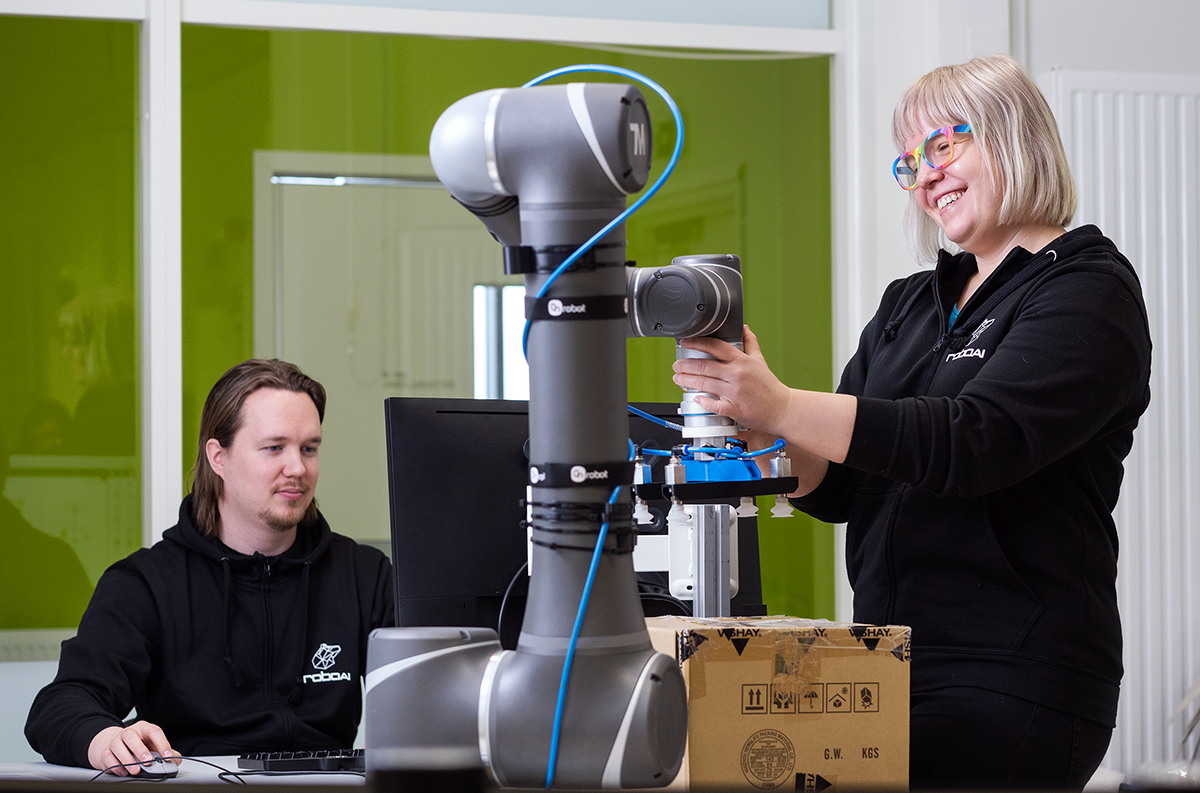
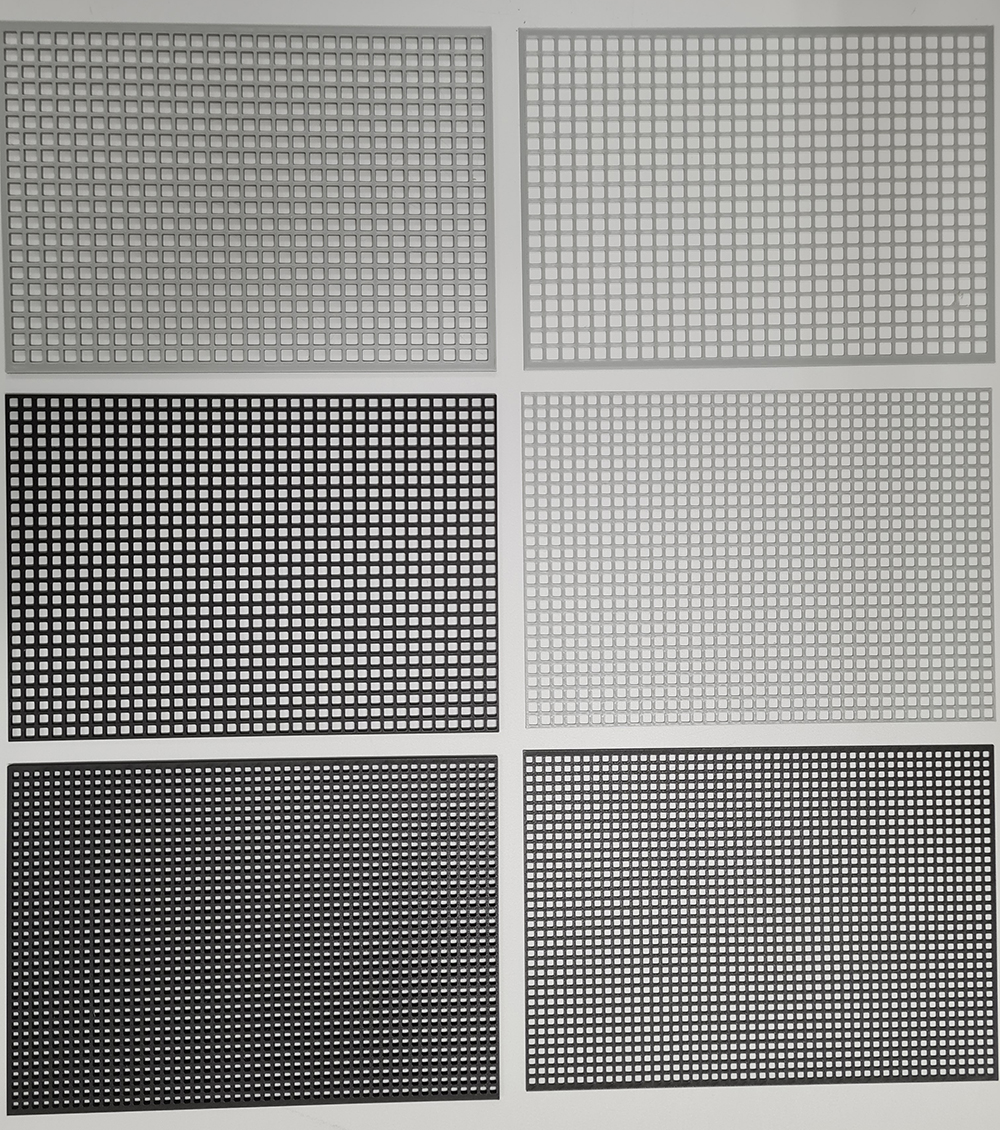
In the RoboAI Academy a practical project was carried out using 3D printing technology. Various patterned test pieces were produced for Suominen Oyj’s hydroentanglement (water needling) tests. The goal was to support the development of nonwoven fabrics by creating prototypes quickly and cost-effectively. These prototypes allow testing of how different surface patterns affect material properties, such as dust adhesion.
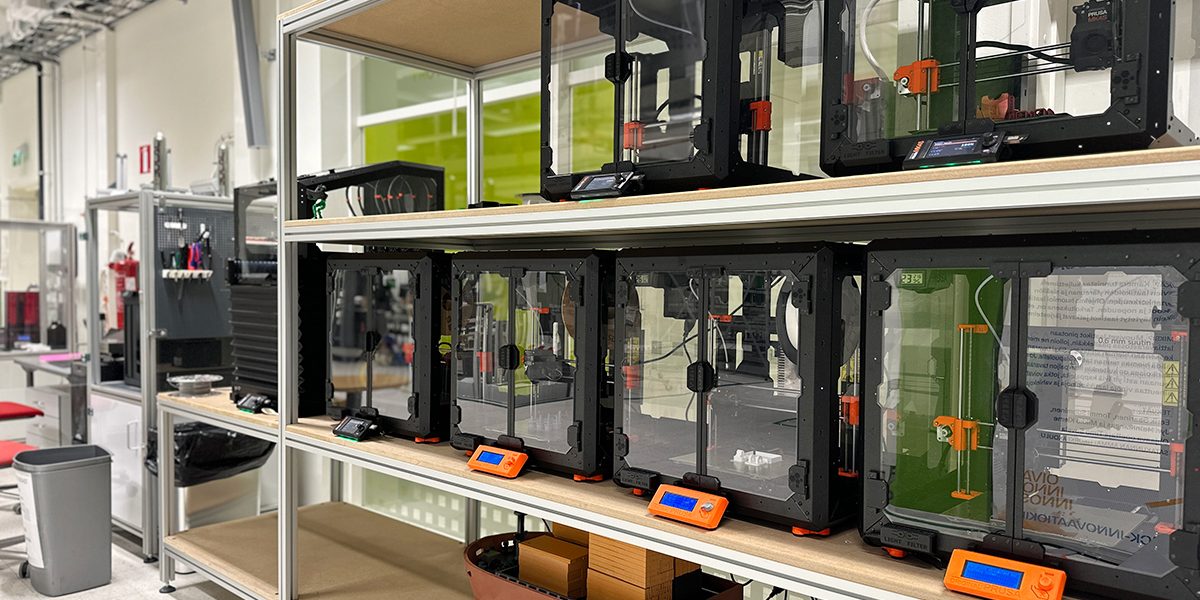
Suominen Oyj manufactures nonwoven fabrics for cleaning products, hygiene items, and healthcare applications. The company needed experimental test pieces with various patterns to study patterning in the hydroentanglement process. 3D printing was chosen as the manufacturing method because it enables fast, affordable prototype production and offers great design flexibility.
The challenge of producing small holes and fine patterns
The core task of the project was to model and print the test pieces according to the customer’s drawings. The models were created in CAD software, making extensive use of the linear pattern and lofted cut tools. The finished 3D models were sliced into G-code using PrusaSlicer and OrcaSlicer.
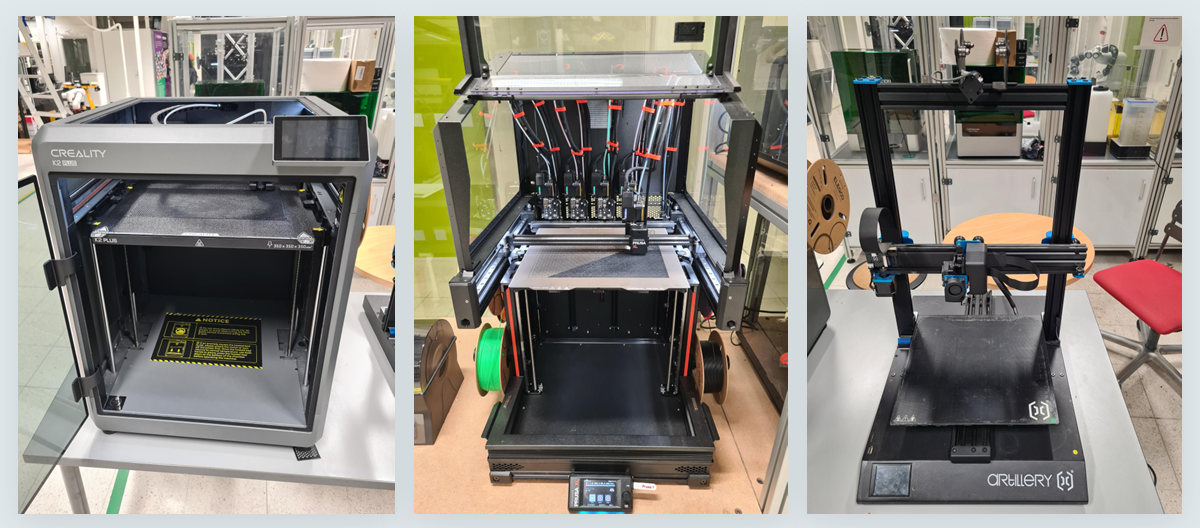
Three different printers were used: Prusa XL T5, Creality K2 Plus, and Artillery Sidewinder X1. The most demanding aspect was achieving high quality when printing dense arrays of small holes and fine patterns. Systematic testing was performed on various slicing settings, nozzle sizes (Ø0.4 mm and Ø0.25 mm), and material flow parameters. The smaller Ø0.25 mm nozzle delivered significantly better accuracy, although printing times increased considerably, in some cases up to several days.
Successful outcome and valuable lessons learned
The most demanding, densely patterned pieces were ultimately printed on the Prusa XL T5 using the Ø0.25 mm nozzle. Less demanding models were produced efficiently on the other printers.
During the project, student Jesse Santaoja deepened his expertise in 3D modeling, 3D printing, slicing software, and independent project management. A key insight was the importance of systematic parameter testing: only one or two variables should be changed at a time to clearly observe their effects. Another important lesson was the value of thorough preparation, such as ensuring the availability of different nozzle sizes.
The customer received concrete, ready-to-use test pieces for studying the impact of surface patterning on nonwoven fabric properties. The project clearly demonstrated the effectiveness of 3D printing as a tool for product development.
Thank you to Suominen Oyj for an excellent and educational project topic!

More information about this and other RoboAI Academy projects:
Chief Researcher and Principal Lecturer
Mirka Leino
tel. 044 710 3182
mirka.leino@samk.fi
Researcher and Lecturer
Janika Tommiska
tel. 044 710 6332
janika.tommiska@samk.fi